 SK
 CZ
 EN
 DE
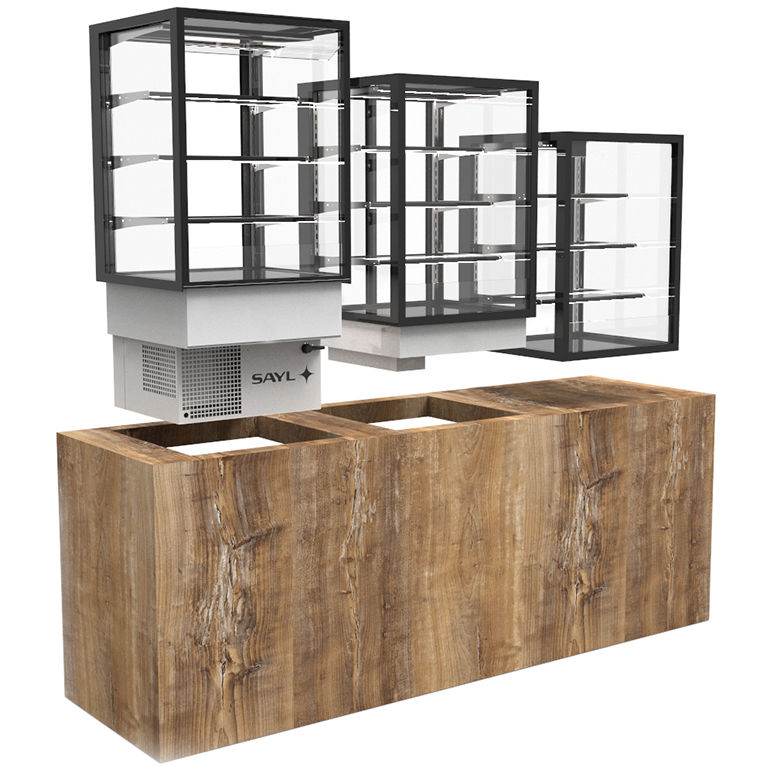
Choosing a display case by type of establishment means aligning the type of products sold, the available space, the need for refrigeration, heating or neutral display, and the style of your brand into one functional whole. A well-chosen display case is not just a cooling box – it is a design accent that influences the overall impression of your establishment, subtly enhances the customer experience and ultimately increases sales.
Design in line with your concept
The minimalist lines of SAYL display cases allow you to harmoniously match any interior. The range includes display cases with sharp angular lines for modern spaces, as well as rounded, elegant designs for a softer, friendlier look in a traditional setting. Thanks to the wide range of series, dimensions and finishes, practically every establishment will find its match – from a small café to a large hotel buffet.
Recommendations by type of establishment
- Café – compact refrigerated or neutral display cases from the COMPAK, TAPAS or INTEGRA BASE series: attractive design, front access, suitable for cakes, snacks and drinks. With integrated lighting, the products literally “shine” in the spotlight.
- Pastry shop – the INTEGRA DROP-IN, PANORAMIC or VISION series with refrigerated versions and Doble Frío technology: premium presentation, high visibility, even cooling and drop-in installation for a clean design.
- Bakery shop / bakery – neutral and humidity display cases from the PAK, TAPAS or INTEGRA REMOTO series: high capacity, humidity control for longer freshness of baked goods and easy access.
- Sushi bar / Asian bistro – specialised refrigerated SUSHI display cases with sliding covers: low temperatures below 4 °C, precise presentation and elegant glazing.
- Hotel / breakfast buffet – combined BUFFET, SELF SERVICE or INTEGRA REMOTO display cases with refrigerated, heated and neutral zones: modularity, easy serving and unattended self-service operation.
- Self-service restaurant – durable SELF SERVICE and PAK display cases with practical customer access that can handle intensive all-day operation.
- Fine dining restaurant – PANORAMIC, VISION or premium DROP-IN solutions: a luxurious look, discreet integration into the counter and an emphasis on the aesthetics of serving.
- Catering / events – mobile and neutral COMPAK, TAPAS and PAK display cases: easy handling, compact dimensions and universal use.
Tips for placing the display case
An attractive product is not enough – it also matters where and how the customer sees it. The right placement of the display case determines whether your offer gets noticed at all:
- In the customer’s field of vision – ideally right at the entrance, at the till or along the route the customer takes.
- A visual magnet – the display case should stop the customer; they should not walk past it unnoticed.
- Appropriate lighting – the products must shine; even the most beautiful desserts lose their effect in the shade. SAYL display cases feature powerful yet energy-efficient LED lighting that creates a “spotlight” effect directly on the product.
- Clean glass – a clear view means higher sales.
The most common mistakes when choosing a display case
The wrong choice of display case can reduce both sales and the aesthetic impression. Even in a beautiful establishment, a display case can look disruptive or ineffective if the choice is underestimated:
- a display case that is too small or too large – it looks either empty or overcrowded,
- the wrong type of cooling – for example desserts in a neutral display case or sushi in a case without precise chilling,
- a display case that does not match the interior – an overly technical look in an artisan bakery or a massive angular case in an elegant restaurant,
- ignoring the direction of service and customer access – staff need easy access from behind, while in self-service zones intuitive selection is essential,
- not taking humidity needs into account – missing “humidity” technology can drastically reduce product freshness,
- neglected maintenance – hard-to-reach corners and complicated shelf removal slow staff down and increase the risk of failing to meet hygiene standards.
The display case as part of the concept – mind the details
Every detail communicates your brand. A display case is not just a serving device – it is a visual expression of your concept:
- glass shelves and clean lines look luxurious and light – ideal for pastry shops or fine dining,
- rounded lines and a lower profile create a friendly, homely impression – ideal for smaller cafés,
- built-in DROP-IN solutions do not disturb the look of the counter and create a clean impression without distracting elements,
- combined display cases bring refrigerated and neutral sections together in one block – they simplify serving, save space and come across as one elegant whole.
Remember that customers choose with their eyes first. The first second of looking can decide whether they stop at the display case – or walk on.
The customer journey in front of the display case: what do they notice first?
- The visual impression from a distance – the shape of the case, the lighting and its placement in the space determine whether the customer reacts at all. Strong LED lighting, clean lines and strategic placement increase the chance that they will stop.
- Aesthetics and cleanliness of the design – clean glass, a sleek design and neatly arranged products create a trustworthy first impression. An overcrowded or chaotic display case puts customers off.
- Focus on a specific product – only then does the customer perceive the assortment itself: colours, freshness, texture. The products must “play first fiddle”, not be hidden behind the frame of the case.
- Catching the detail and deciding – a visible price, description or label and easy accessibility are important for a quick purchase decision.
- Purchase – if nothing obstructs the view, the choice is intuitive and quick. The display case supports sales by turning them into a pleasant visual and practical experience.
A tip for operators: imagine standing in front of the display case as a customer. Where do your eyes go? What is holding back your decision? This is the best way to fine-tune the design and the arrangement of your assortment.
Why choose SAYL display cases?
- design that sells – the cases look luxurious and modern and underline the value of the product,
- a visual experience for your customers,
- functionality without compromise – ideal temperature, humidity and air circulation,
- hygiene and easy maintenance – easily accessible surfaces, quality materials,
- flexible solutions – every establishment will find a suitable type and dimensions,
- made in the EU (Spain) – quality you can rely on.
Still not sure which display case is right for you? Browse the range of refrigerated display cases in our e-shop and learn more about the technologies and series in the article Spanish elegance that sells: SAYL display cases. Need help choosing a tailored solution? Contact us and we will help you select the ideal solution for your needs and space.
FAQ
Which display case is suitable for a small café or patisserie?
For smaller cafés and patisseries with limited space, elegant compact refrigerated display cases with front glazing and open rear access are a good fit. Integrated LED lighting ensures that desserts and small snacks literally glow.
What kind of display case does a sushi bar need?
In sushi bars, the emphasis is on hygiene and keeping ingredients properly chilled. Display cases with sliding covers are ideal, ensuring temperatures below 4 °C, precise presentation and a high visual standard.
Where should a display case be placed in your establishment?
Within the customer's field of vision – ideally right at the entrance, by the till or along the route they walk. The display case should act as a visual magnet, and the products must be well lit; even the most beautiful desserts lose their effect if they sit in the shade.
What are the most common mistakes when choosing a display case?
A display case that is too small or too large, the wrong type of cooling, a case that clashes with the interior, ignoring the direction of service and customer access, failing to account for humidity control needs, and poor accessibility for cleaning and maintenance.