 SK
 CZ
 EN
 DE
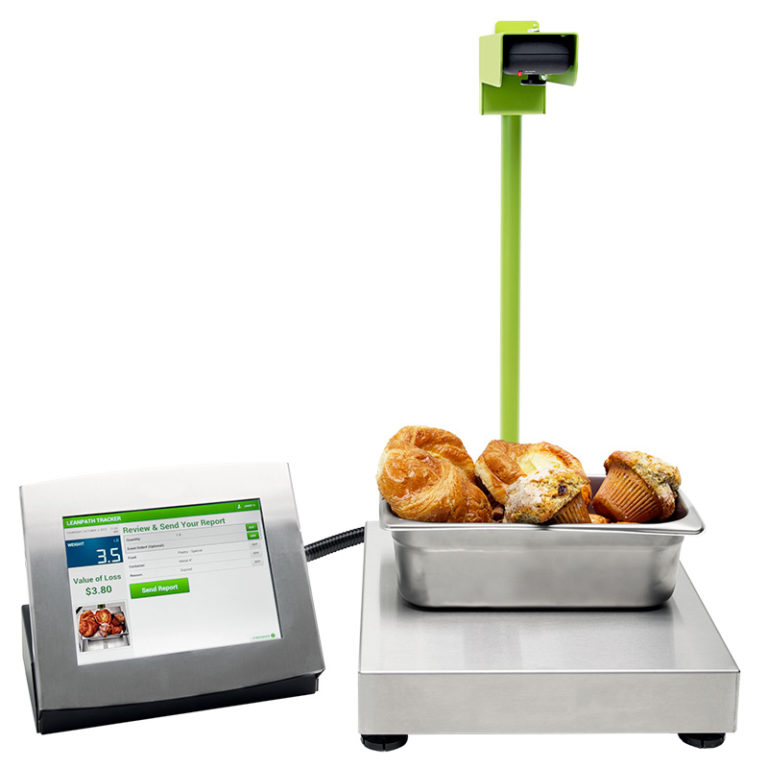
The LP food waste prevention platform
OBSERVE – EVALUATE – SOLVE
The LP food waste prevention platform is a combination of hardware, software and processes at customer sites that delivers food waste prevention results for every kitchen. Following our proven OBSERVE – EVALUATE – SOLVE formula, the LP platform ensures rapid and lasting food waste prevention.
When food is wasted, labour is wasted!
For every 1 euro that establishments invest in food waste reduction programmes, they save 7 euros in operating costs.
Engage your employees and increase their efficiency
The food waste prevention concept engages employees in work with a mission: they become the main agents of change in the fight against food waste. Food that would be thrown away is no longer purchased and prepared, and working time becomes more focused and efficient.

TIPS ON HOW TO PREVENT FOOD WASTE from overproduction in food preparation
Overproduction is the biggest source of food waste in most kitchens. In a recent webinar - Top Tips for Preventing Food Waste, our chefs offered advice on how to reduce food waste from overproduction and other sources.
Focus on production sheets/ work procedures
Make sure your procedures are up to date and are being followed, and that the yields from these recipes are accurate and meet demand (without having to adjust). All too often, either production plans are not followed or the yield exceeds demand. Both can easily lead to overproduction. Most importantly, track food waste and update production sheets based on these metrics.
Scale down buffets and salad bars as demand decreases
If at the end of service you have the same fully stocked buffet or salad bar as at the beginning, you will end up wasting food. There are many creative ways to create an impression of plenty while limiting losses: e.g. switching from two rows of containers to one (and stocking only one side of the row); using smaller or shallower serving containers; and switching to cooking to order as demand declines.
Consider work organisation
In times of labour shortages, it can make sense to cook large batches when you have the workforce available. Batch cooking is often necessary, but it is important to track the food waste coming from this cooking to make sure you are making enough, but not too much.
Have a plan A, B and C for every ingredient
Plan A: the first and primary use (e.g. corn for corn soup).
Plan B: a secondary use if there are too many ingredients (corn added to the salad bar).
Plan C: how to deal with ingredients or overproduction to ensure they do not go to waste (e.g. freezing leftover corn for use the next day, etc.).
Build flexibility into your menu
A classic is the soup of the day, a flexible menu item that can include pieces of leftover ingredients so they do not go to waste; find opportunities to add daily specials and other flexible menu items that will help you find a sales solution for overproduced items.
PACKAGING AND THE CIRCULAR ECONOMY
What is the circular economy?
The circular economy is an alternative to the traditional linear economy (make, use, dispose), where we keep resources in use for as long as possible, extract maximum value from them during use, and then recover and regenerate products and materials at the end of their service life.
Why is the circular economy important?
In addition to creating new opportunities, the circular economy:
- reduces the amount of waste
- increases resource productivity
- increases the competitiveness of the economy
- improves the economy's position in securing resources
- reduces the environmental impacts of production and consumption
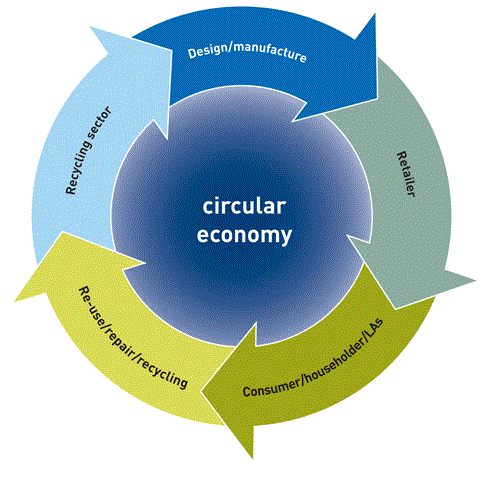
Monitoring the waste that is generated also helps to make better use of raw materials and products.
Zero-waste cooking is currently one of the biggest trends in catering, which is also inspiring restaurants to adopt more sustainable business models and menus.
We all know that food waste is a contributing factor to climate change, but running a zero-waste kitchen does not only bring benefits from an environmental point of view; it also benefits the economic sustainability of the business.
There are many ways to move your restaurant kitchen towards zero waste. You can draw inspiration from examples of renowned establishments such as Røst in Milan, Nine Lives in London or Nolla in Helsinki. But you can also choose another effective approach.
Here are our 5 tips that can help you introduce more economical behaviour in your establishment.
1. Optimise the use of products.
Challenge the stereotypes of traditional cuisine and find new uses for the products you have available in your kitchen. This will allow you to optimise purchases and use-by dates to avoid waste.
For example, pasta is not just a first course! You can also offer it as a summer starter – Cappelletti romagnoli with basil, or as a delicious dessert – Cheese and pear Fiocchi® with a winter fruit salad, spiced orange and cinnamon caramel.
2. Every part of the product has its value and use.
Raw ingredients – quality ones – can be used whole. Put the bio-waste bin aside and try to think about how to use the existing part of the ingredient in an innovative way and serve it deliciously to your customer.
3. Deep freezing is an ally in the fight against waste.
This is a very important topic that we include in all our activities. We have always chosen cold as our only ally in preserving the quality of our products. We like to keep labels clean, free of preservatives and additives, in keeping with tradition. This offers chefs a product they can rely on in terms of ingredient quality and consistency, even for the least experienced operators.
4. Watch out for packaging!
The zero-waste philosophy is based on the theory of the 5 Rs – Refuse (refuse to create waste), Reduce (reduce waste), Reuse, Repurpose and Recycle.
Product packaging is difficult to eliminate completely in a professional kitchen, but make sure your suppliers use recyclable materials that are, where possible, also already recycled.
5. Small changes for a big impact.
According to scientists at the University of Oxford, following a vegan diet helps reduce an individual's carbon footprint by up to 73%. Add one or two plant-based offerings to your menu to offer your guests a lower-impact meal as an alternative, or alongside less traditional combinations.